

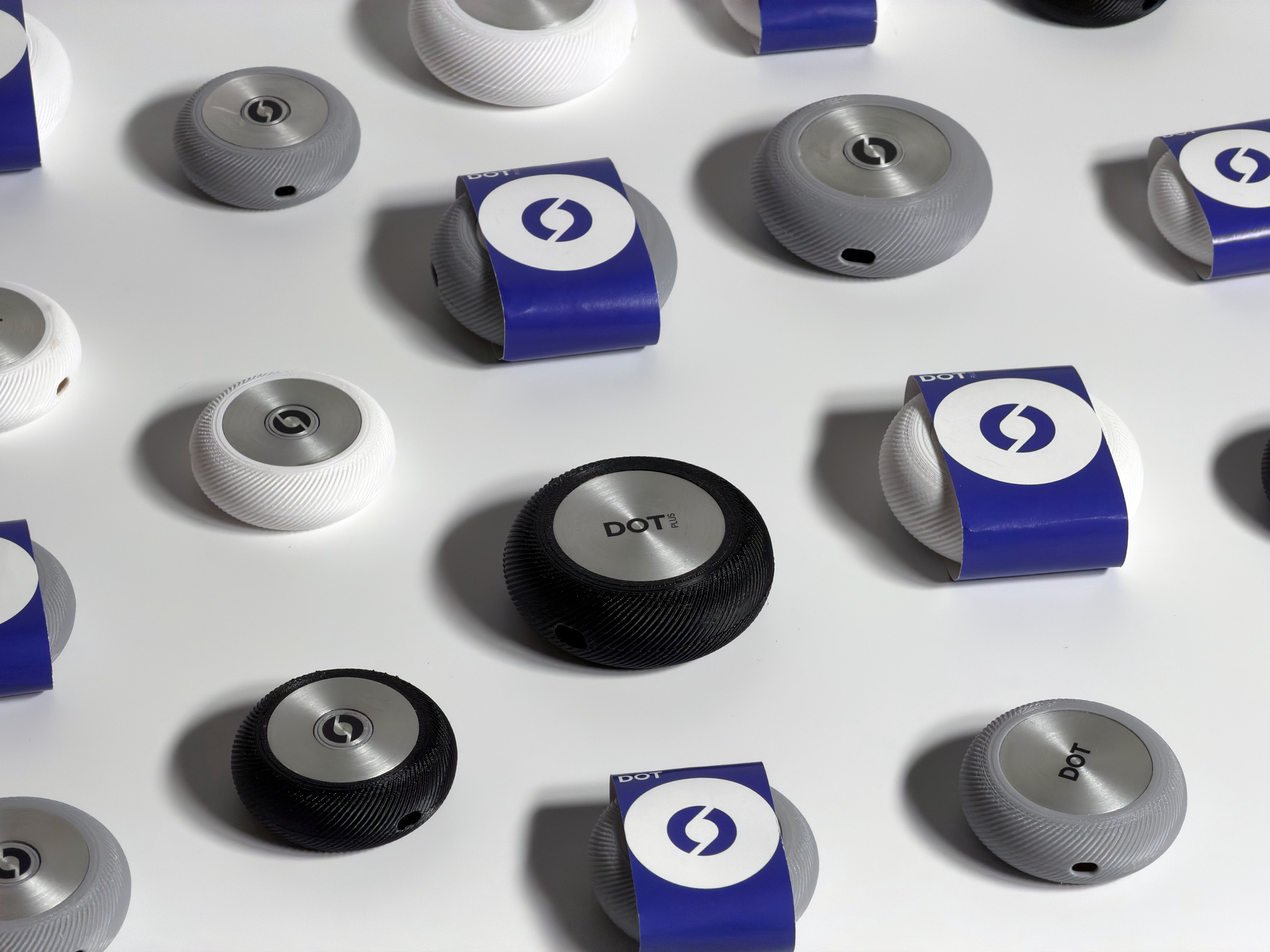

Despite a seemingly endless amount of products in the cable management space, reliable solutions for storing and using cables on-the-go are rare. DOT was designed to fulfill this need through prioritizing user experience.
This project was done in collaboration with Industrial Designer Tommy Mai and Mechanical Engineer Atishay Jain.
Duration
12 weeks
Disciplines
Design
Production
Entrepreneurship
CONTEXT
A Common Problem
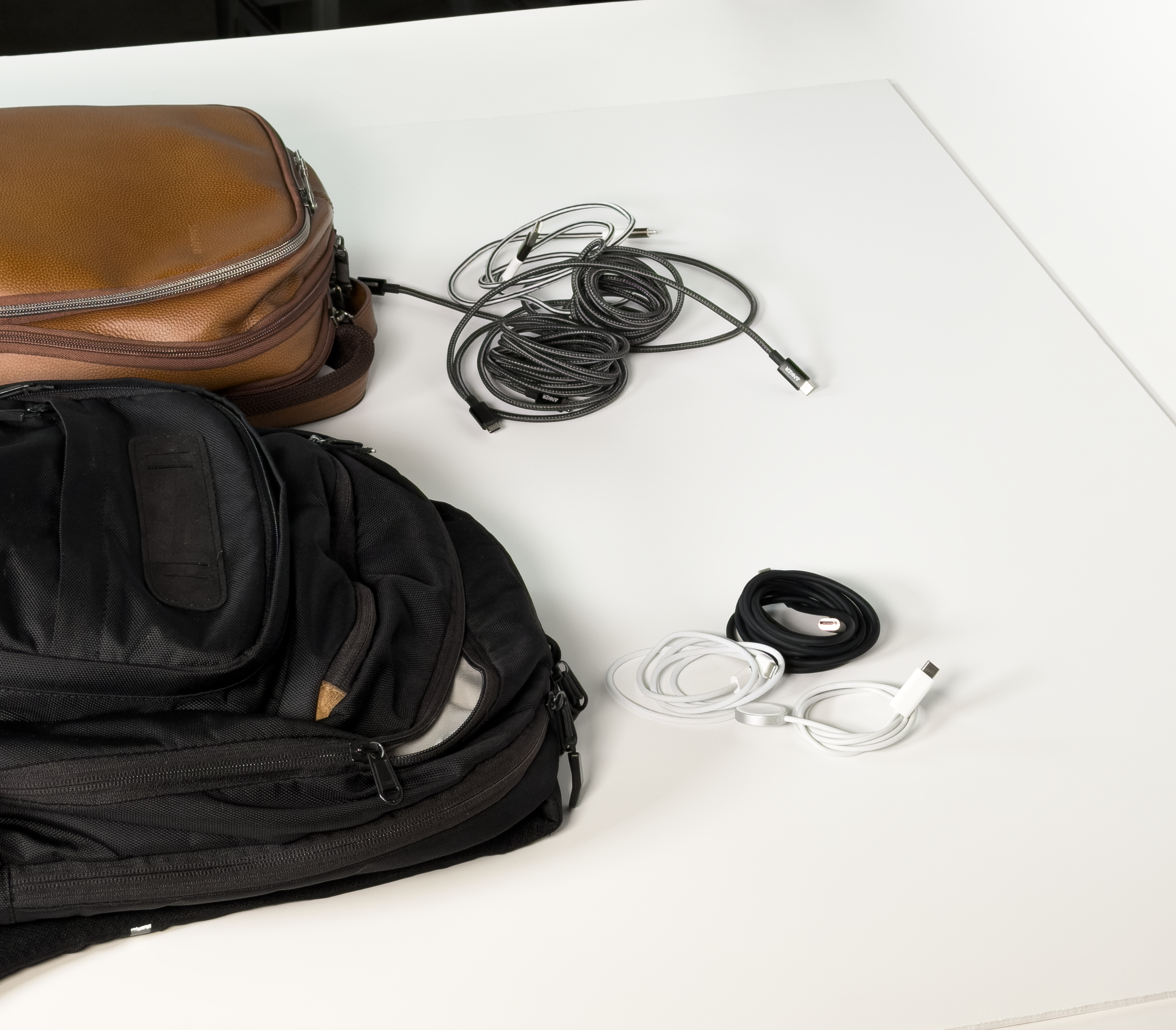
We identified cable management as a universal problem that is often overlooked, and we felt this project was the perfect chance to design a thoughtful solution to this issue that is so common yet rarely questioned.
OPPORTUNITY
A Better Solution
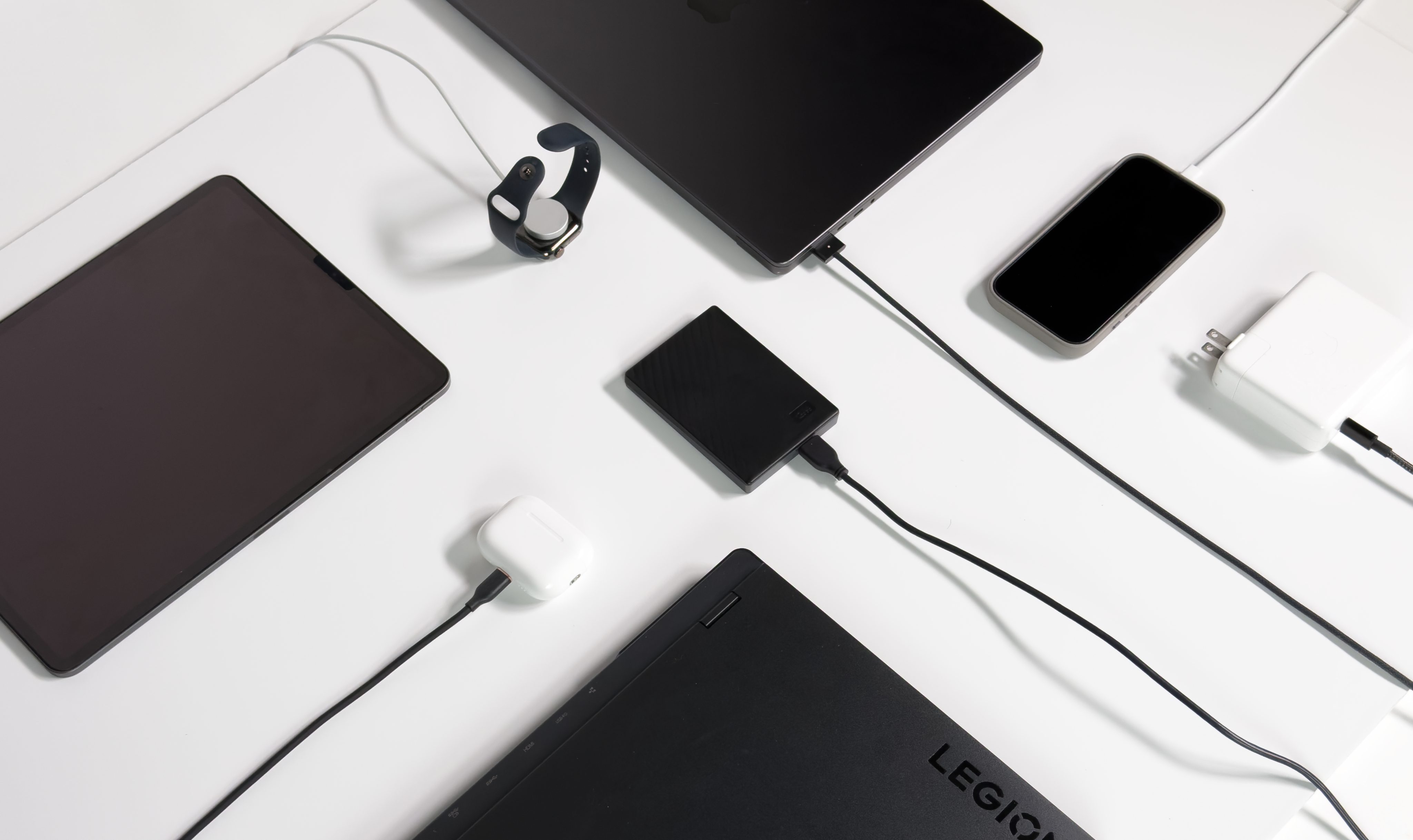
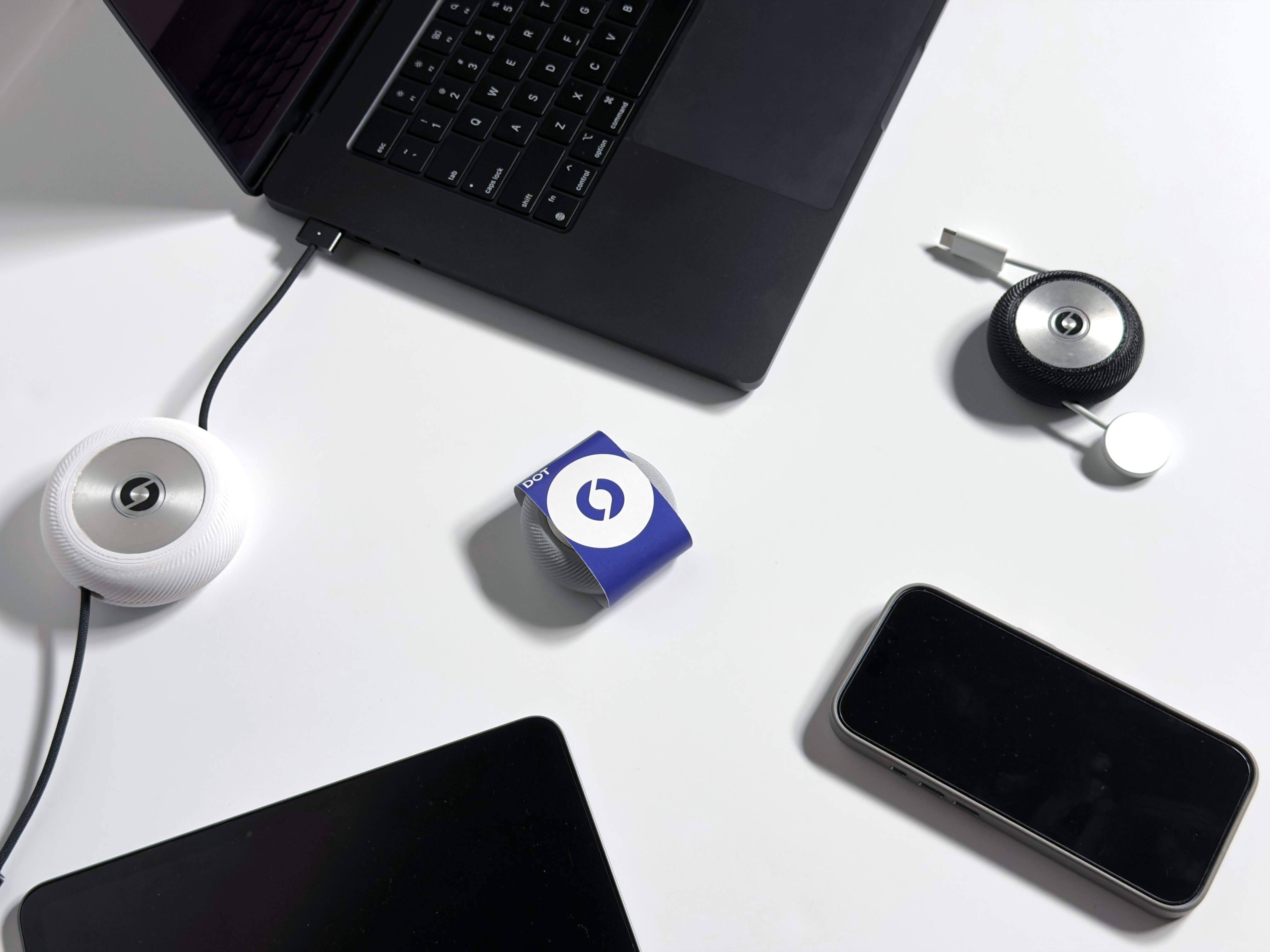
Cables are an essential tool in modern life, yet organizing them has never been an easy task. DOT was designed to tackle this challenge in a way that works with the cables everyone already uses.
RAPID IDEATION
Build. Fail. Learn.
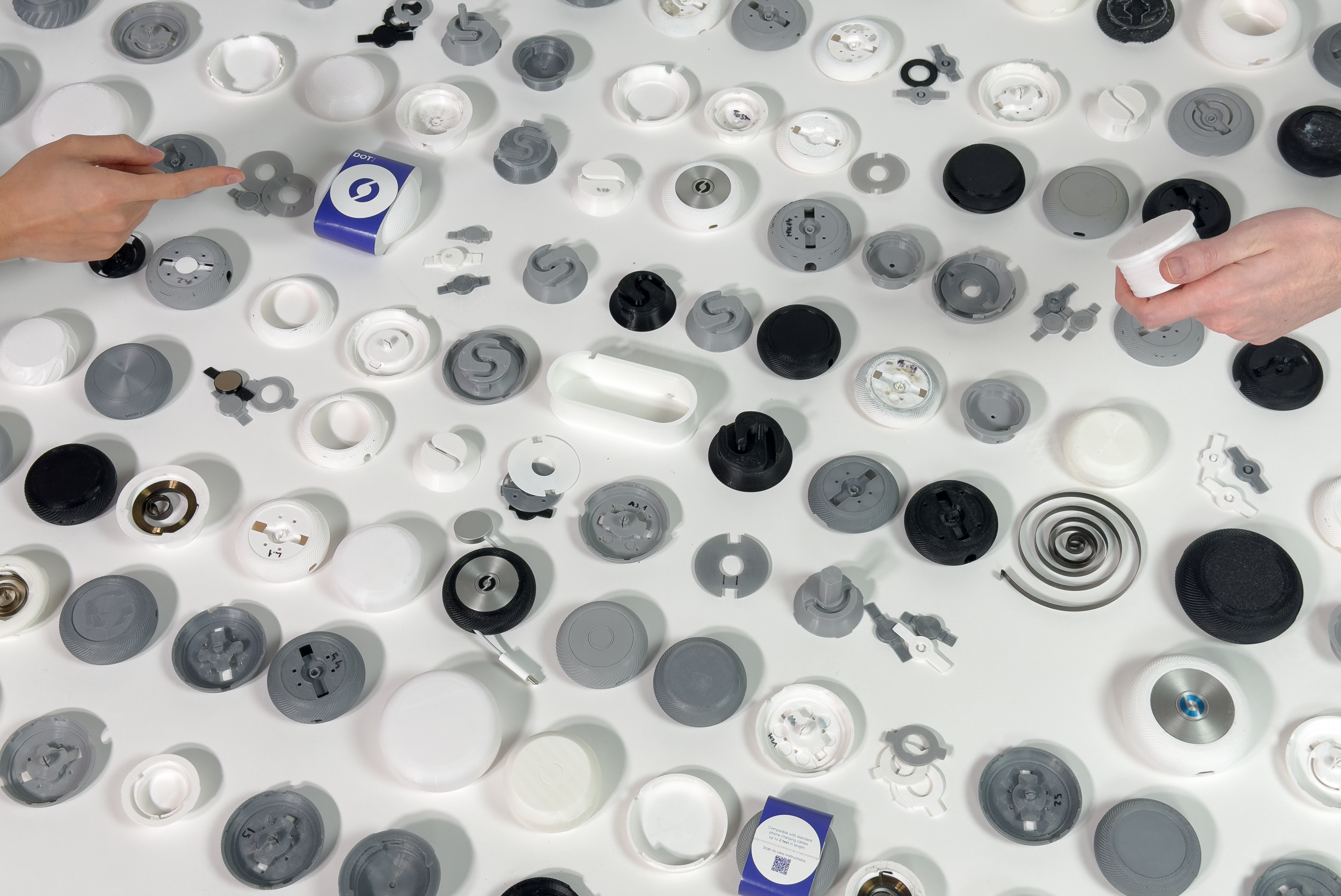
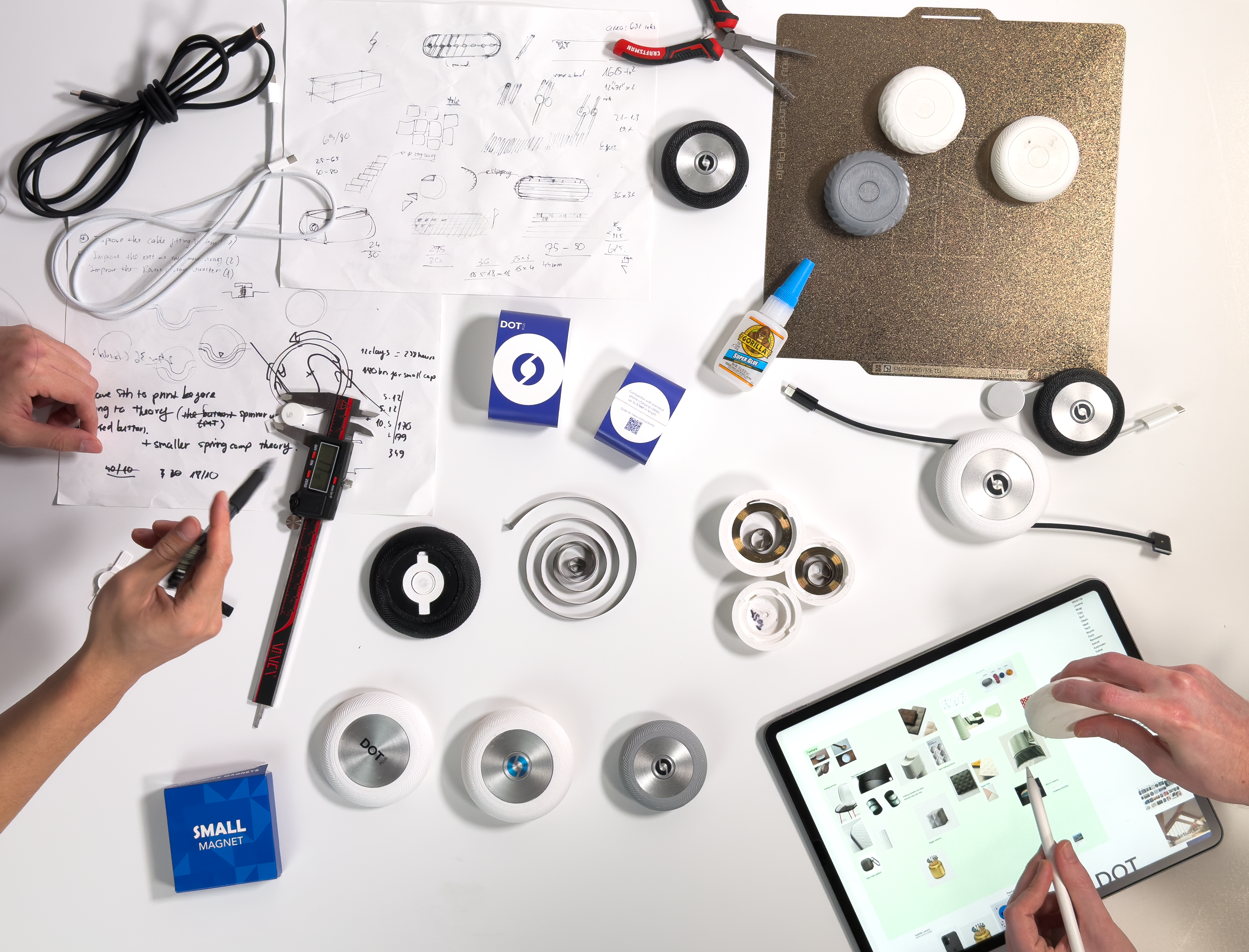
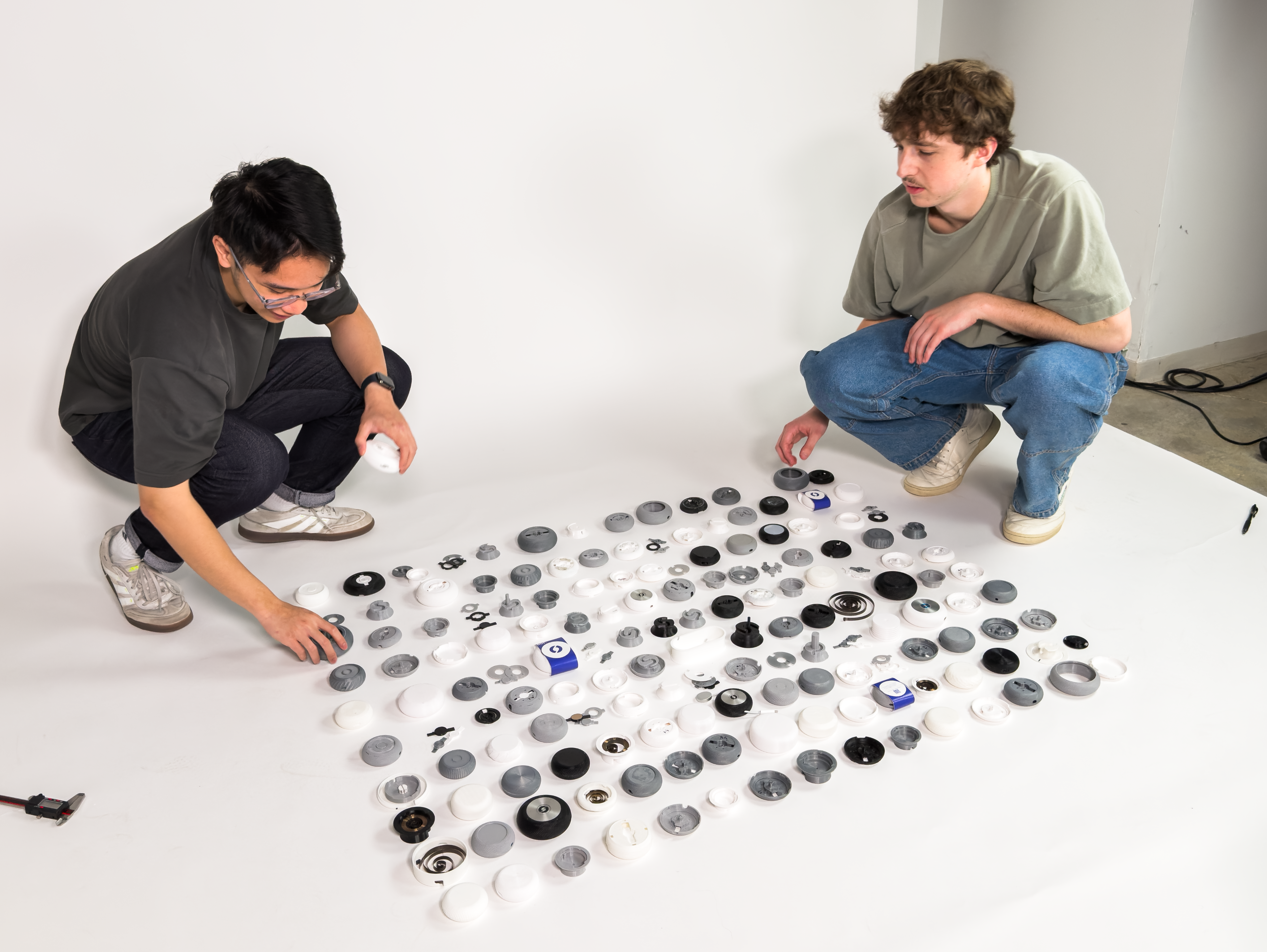
Constant exploration and prototyping was the backbone of this project. We focused on rapid testing of as wide a range of concepts as possible to best understand the problem space.
PROTOTYPING
Mechanism
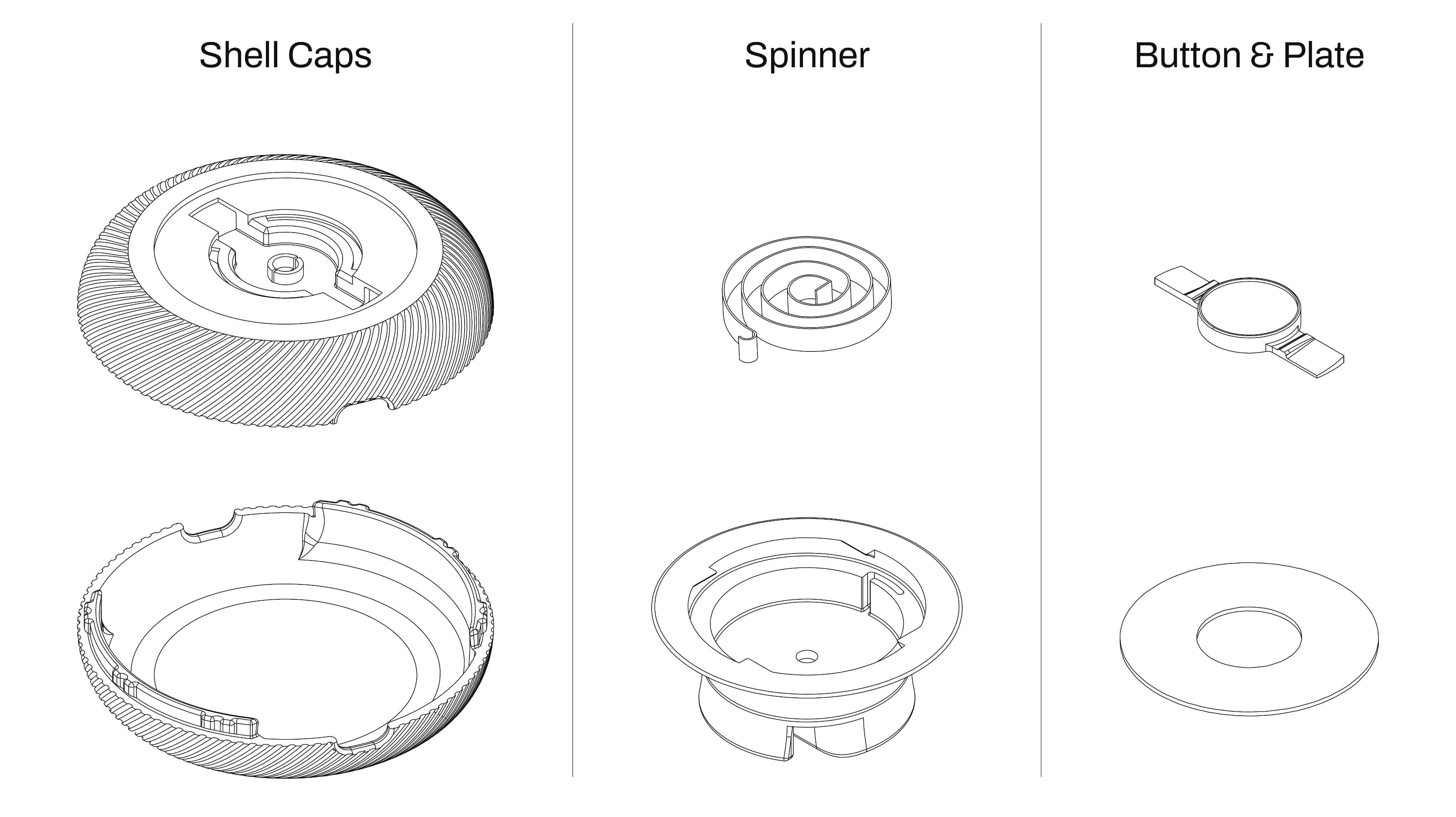
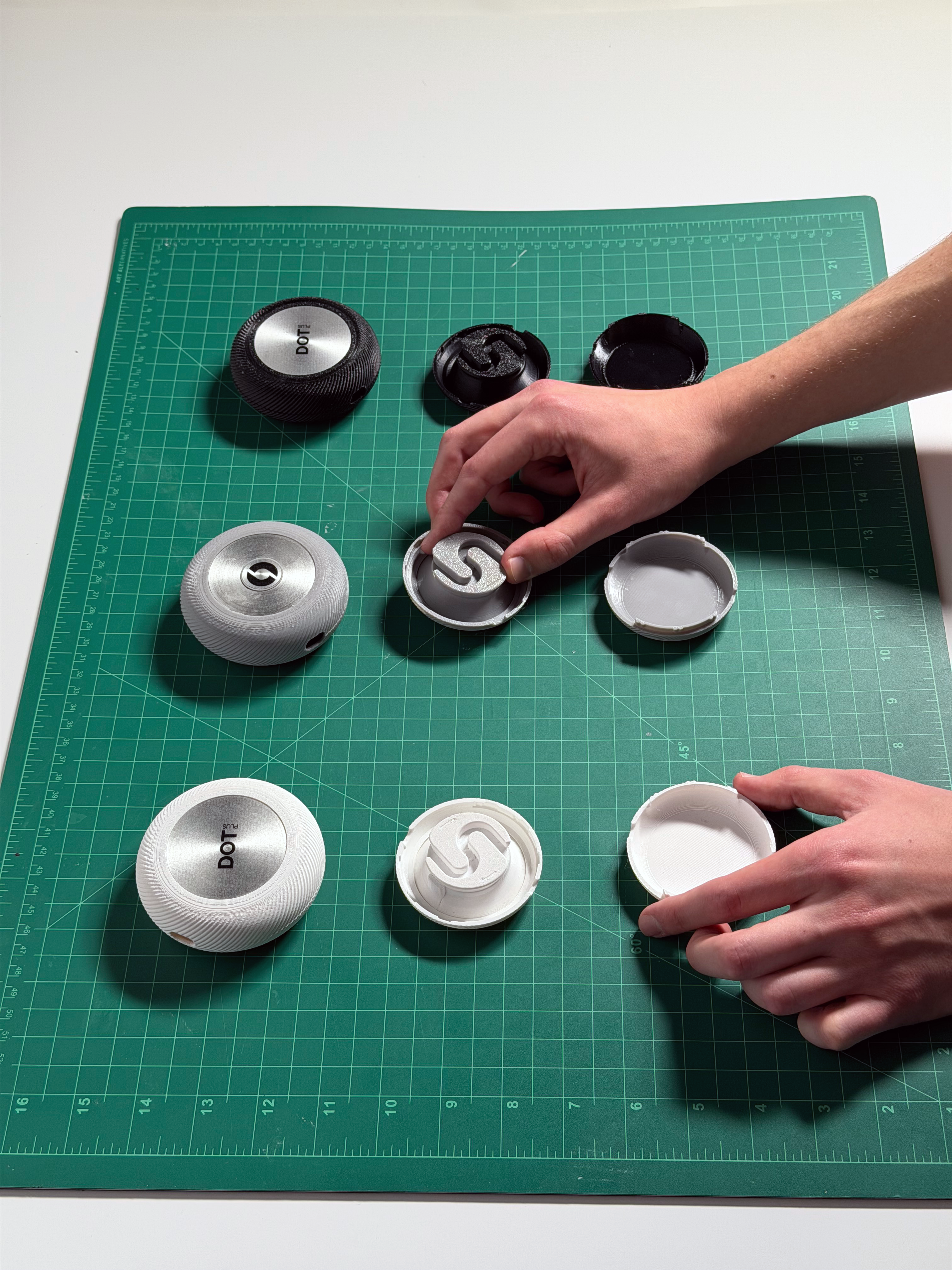
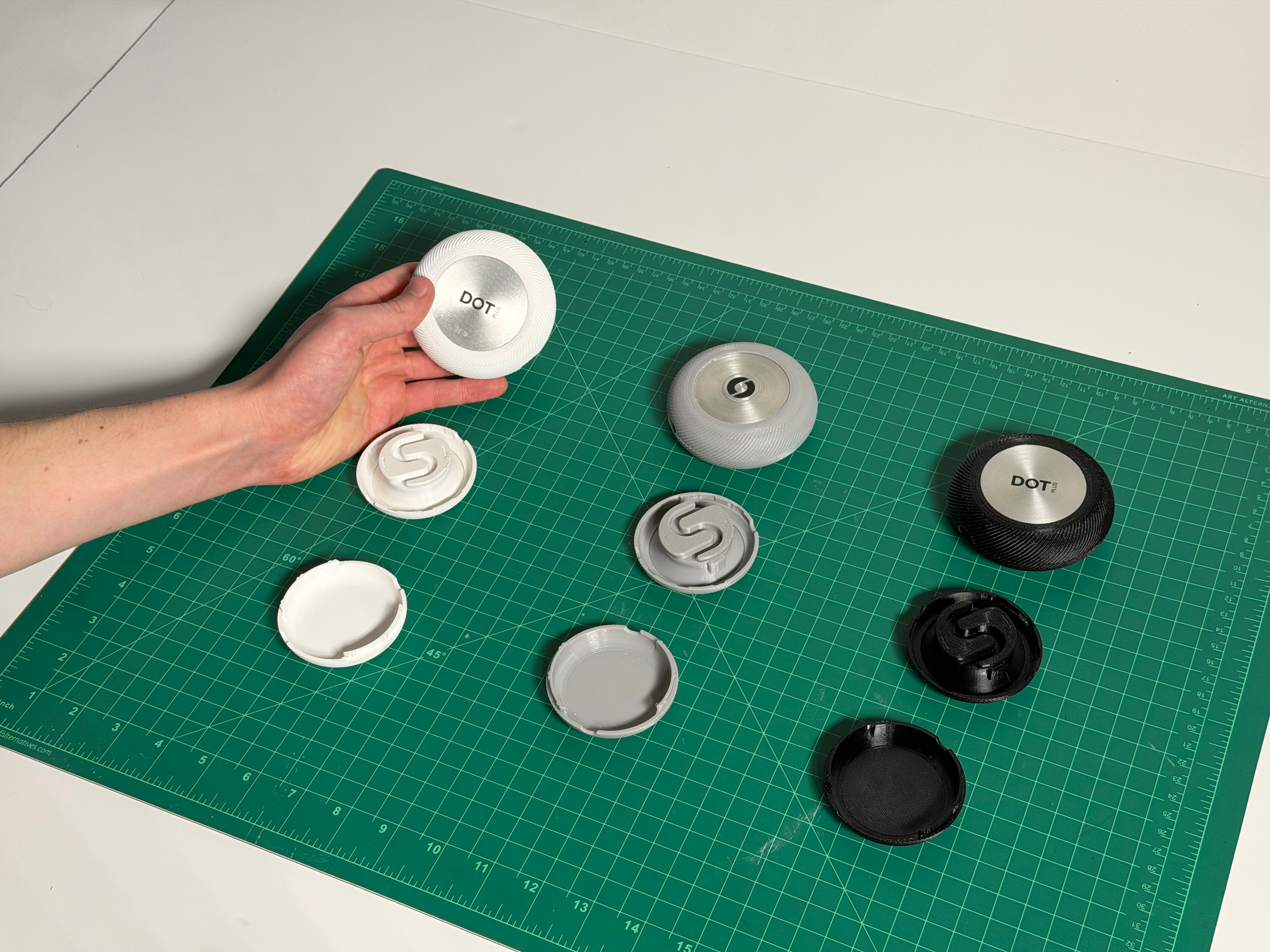
The biggest test we faced came with the internal mechanism. Through countless iterations, we were able to achieve the desired function while managing issues such as tolerances and friction.
CMF
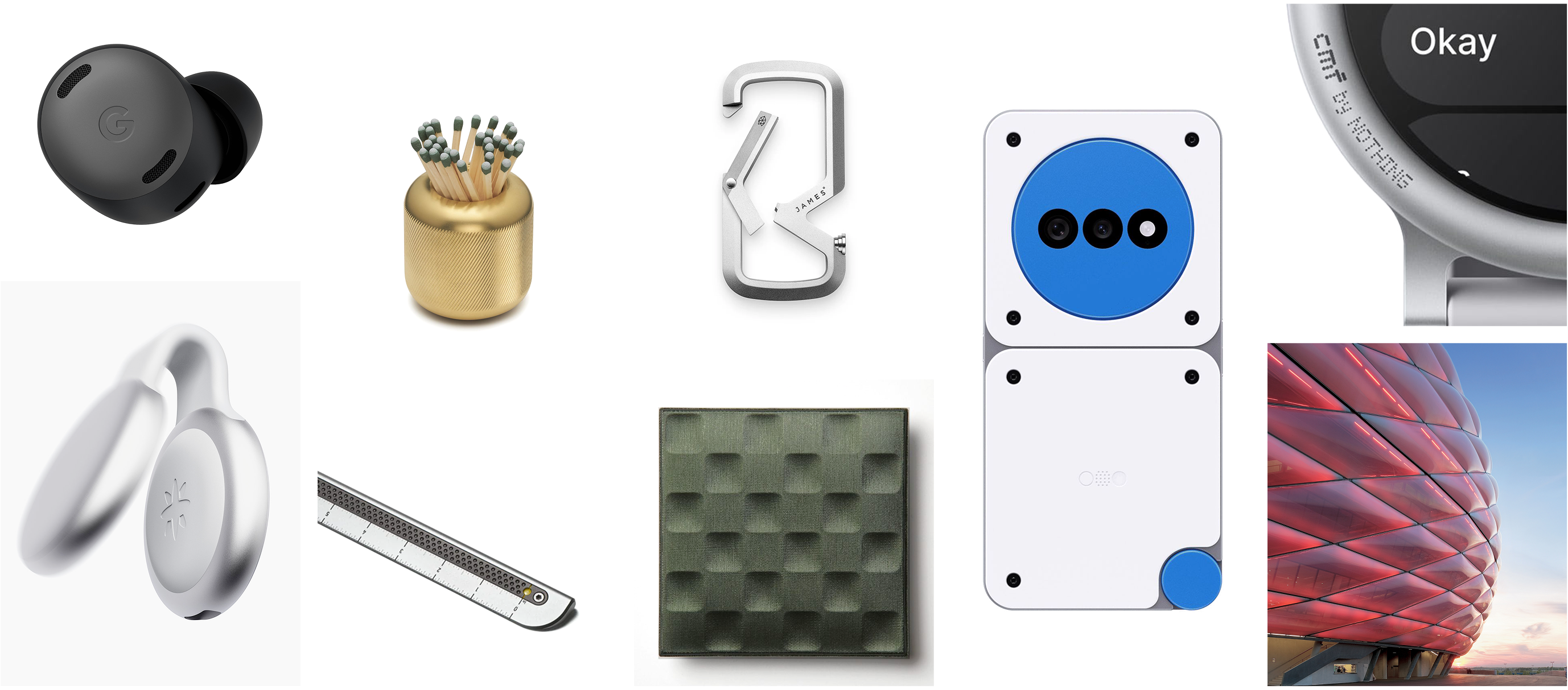
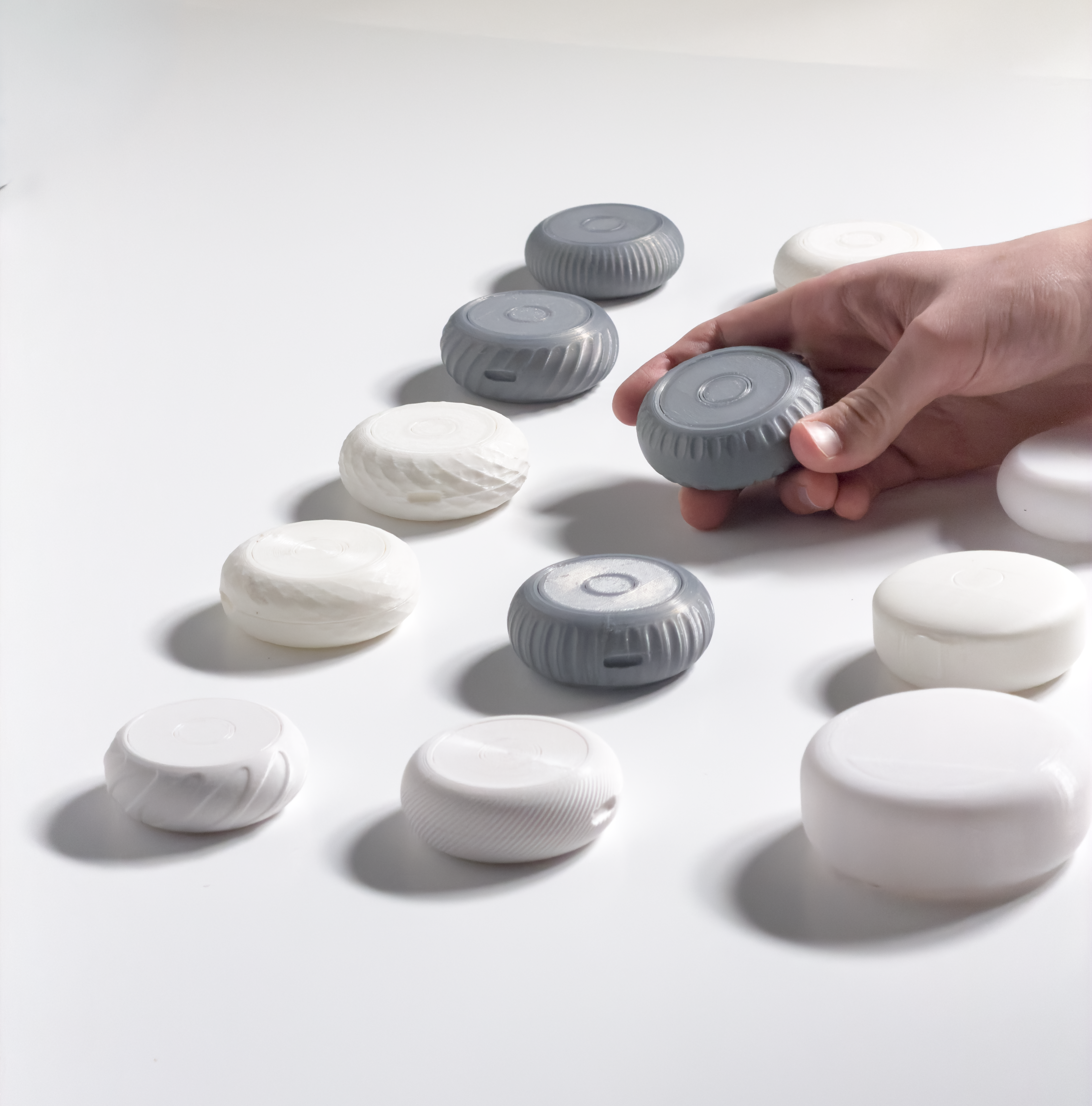
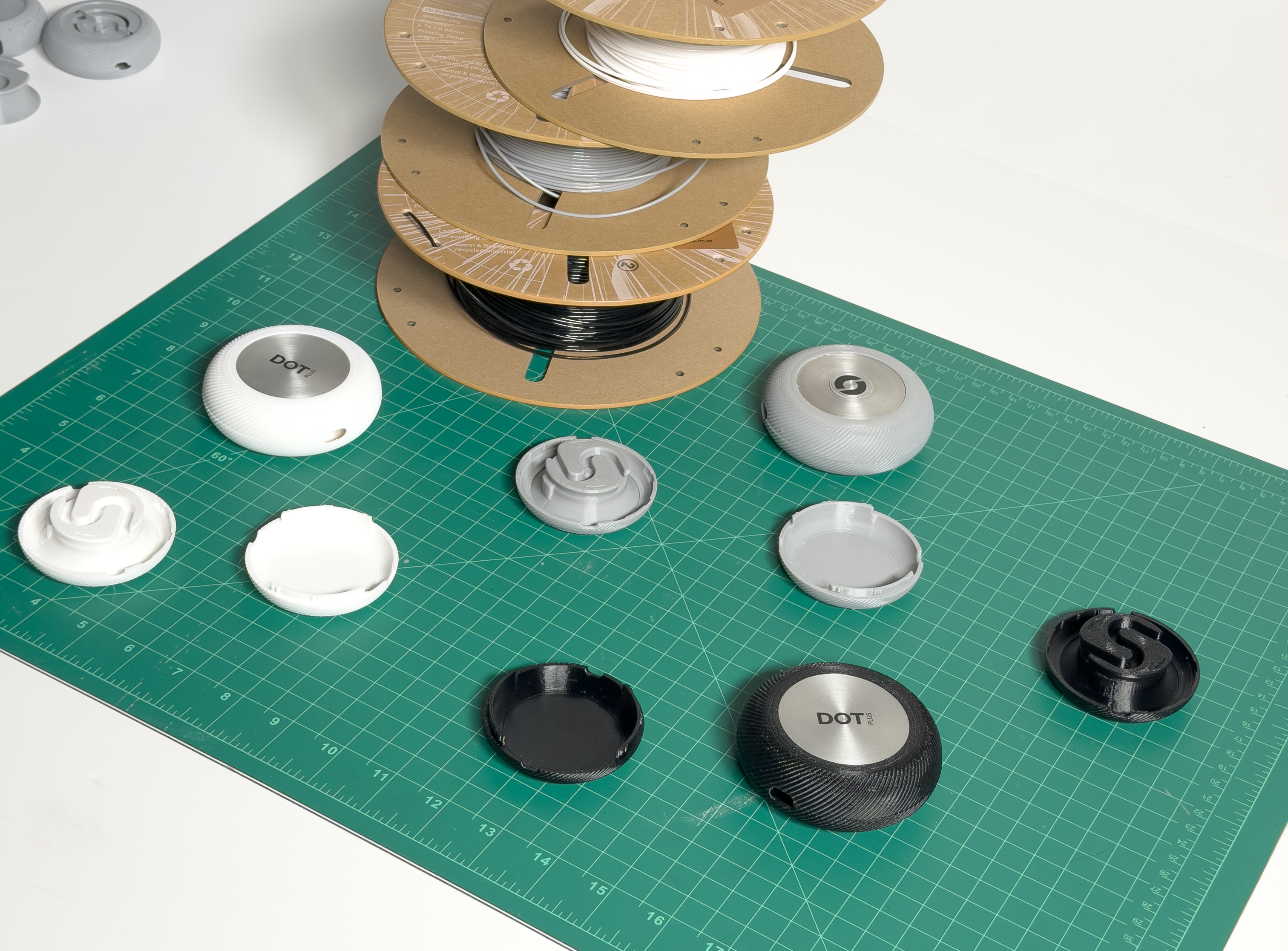
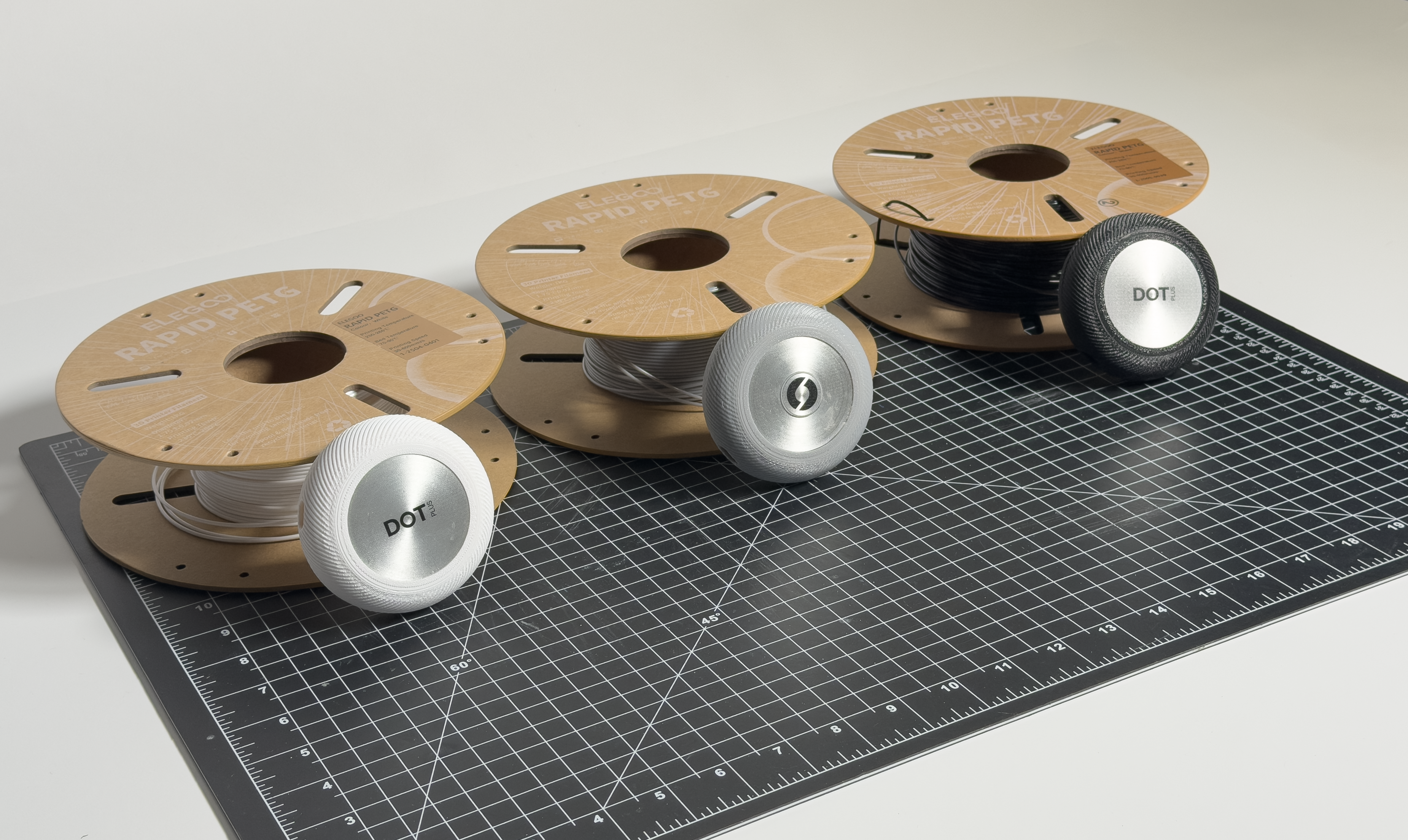
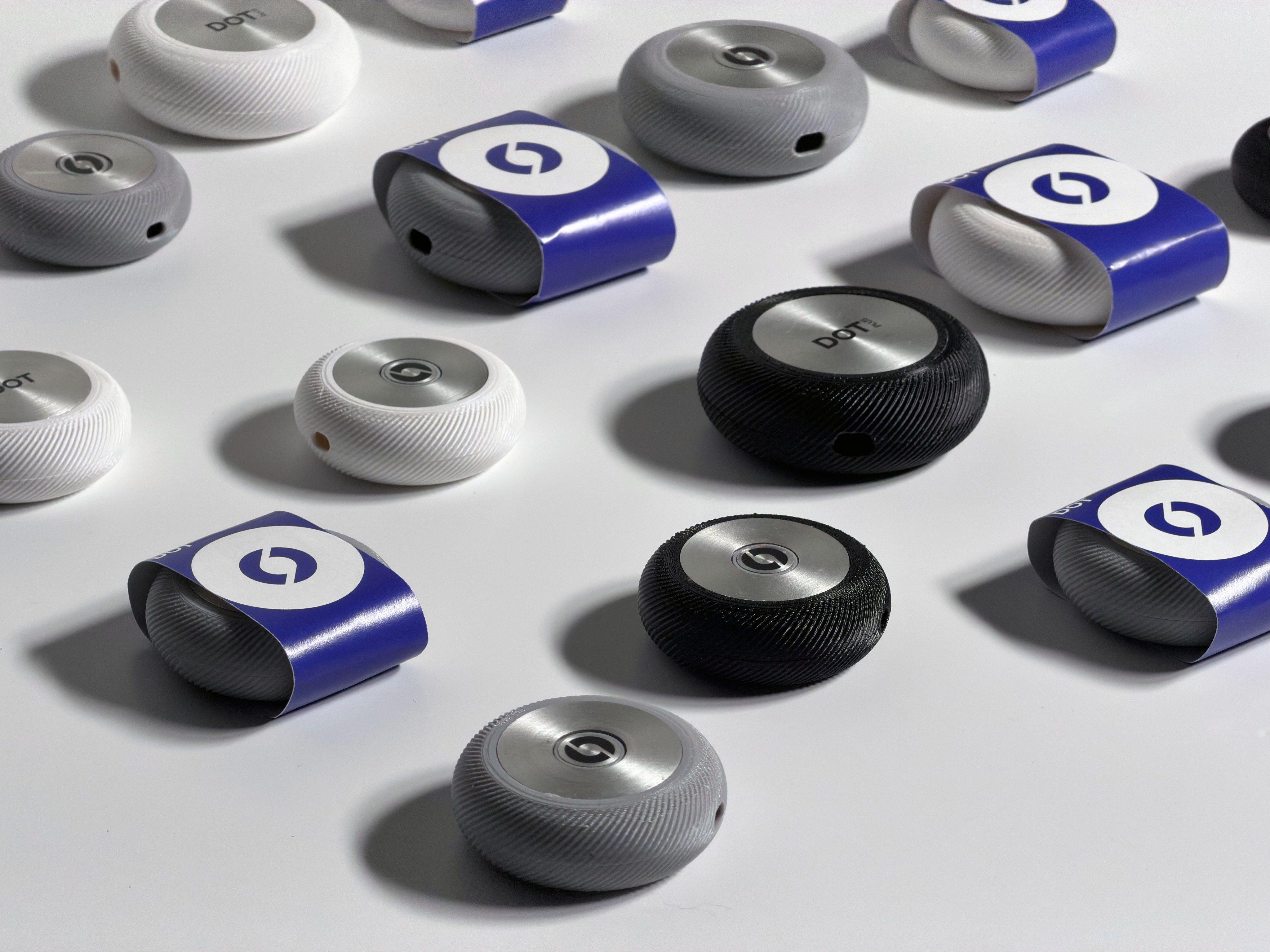
We experimented with numerous shapes, textures, and colors before landing on a soft form with angled grooves. PETG was our selected material, as it offered the durability and manufacturability we were looking for while maintaining a clean finish. We prioritized colors that worked best with a wide range of cables, leading us to three final colors: white, light gray, and black.
BRAND
DOT
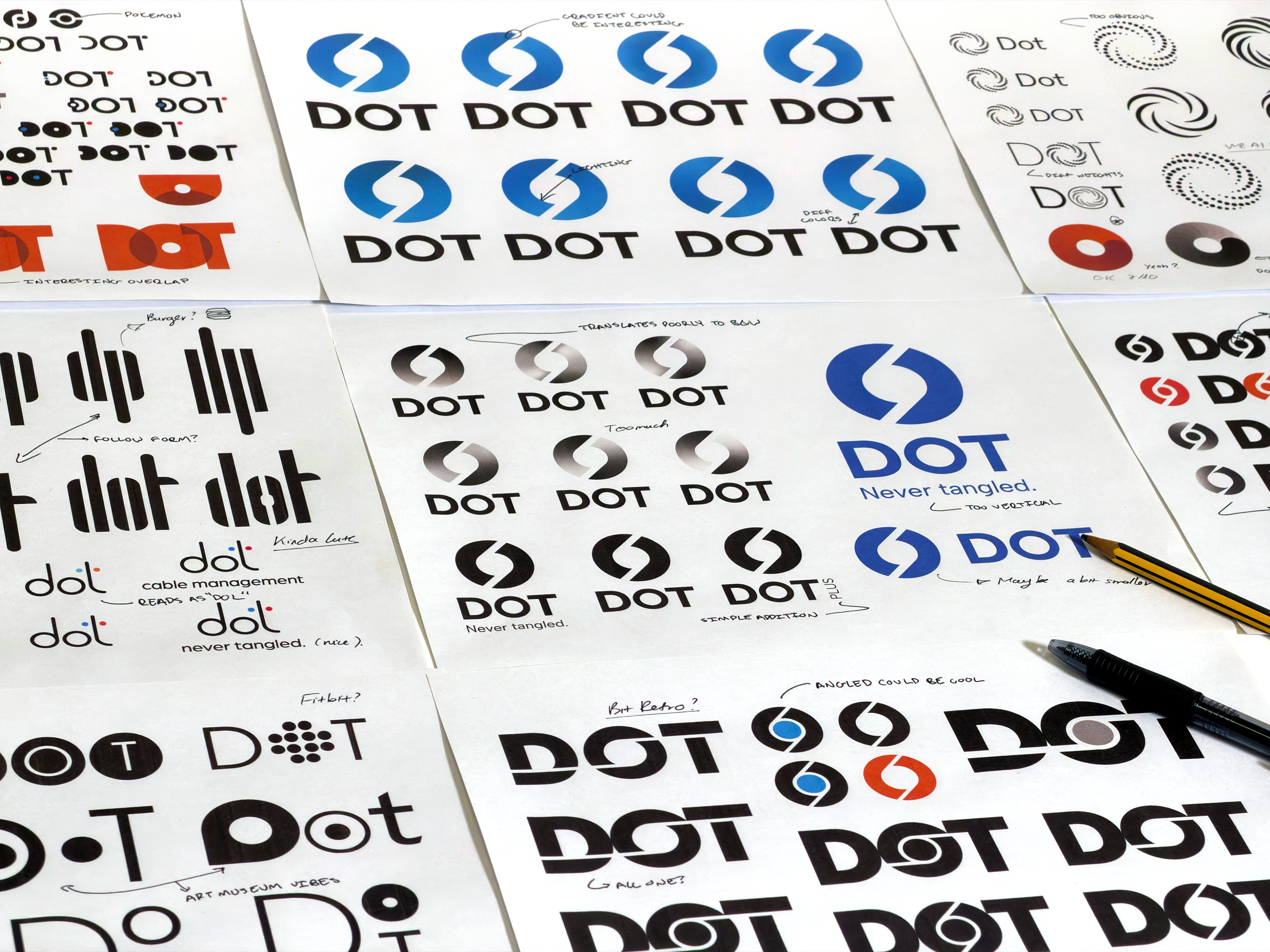
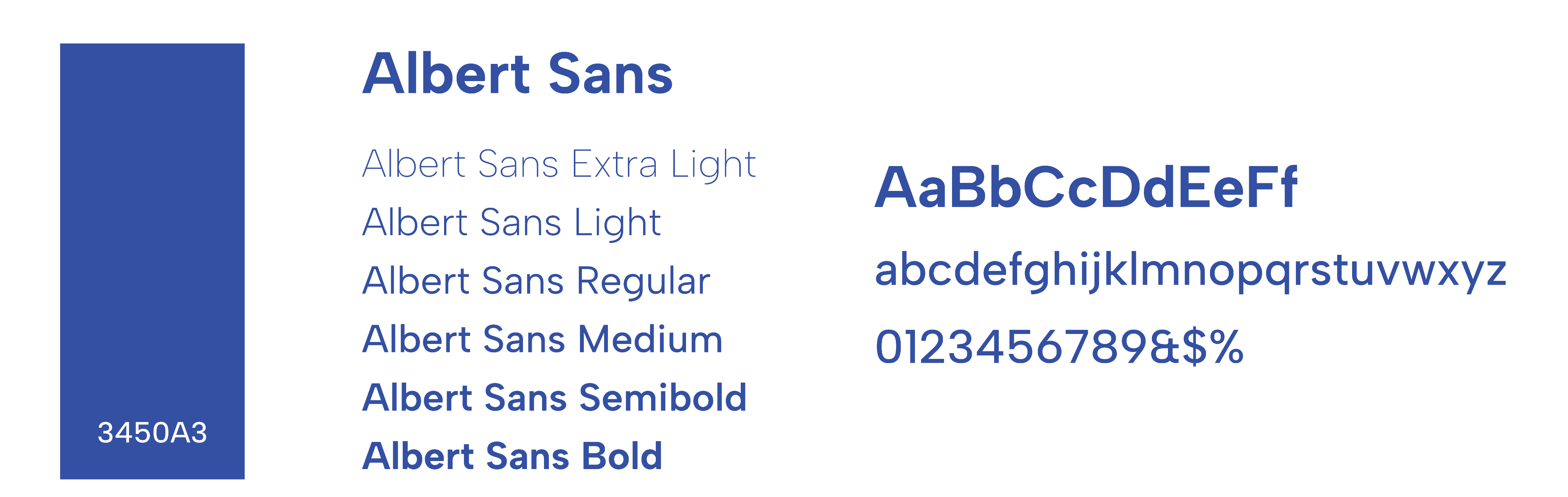
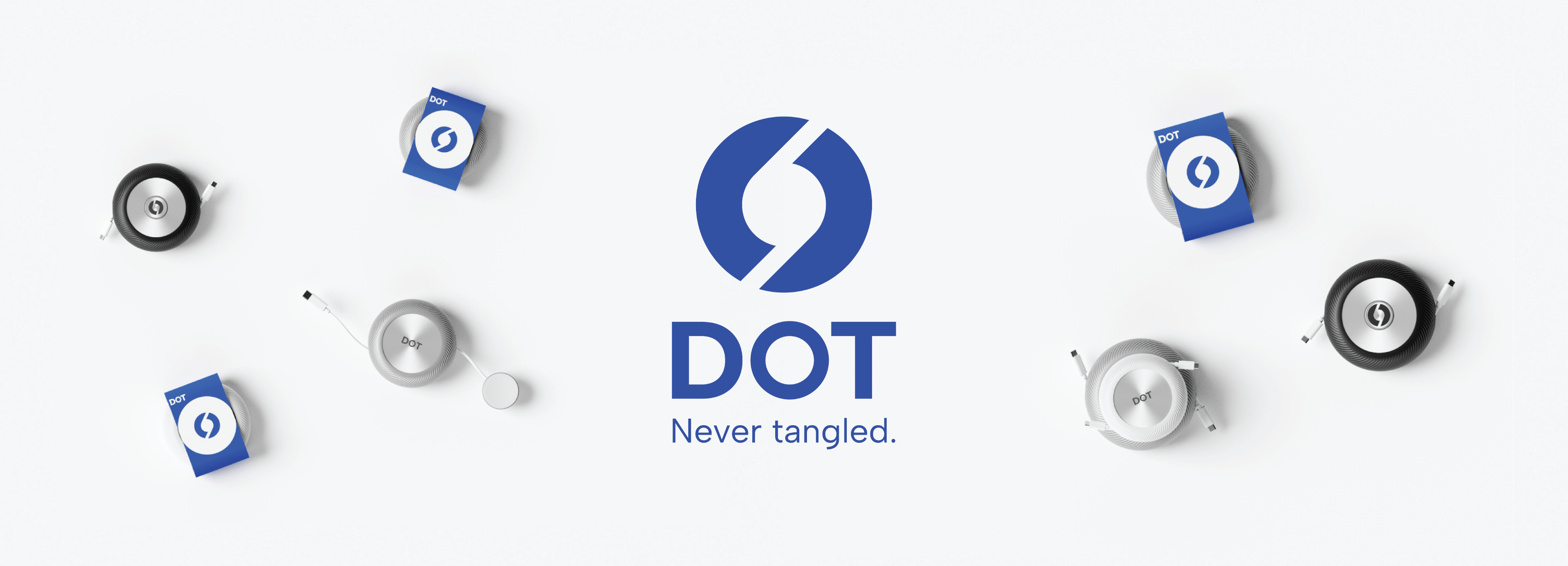
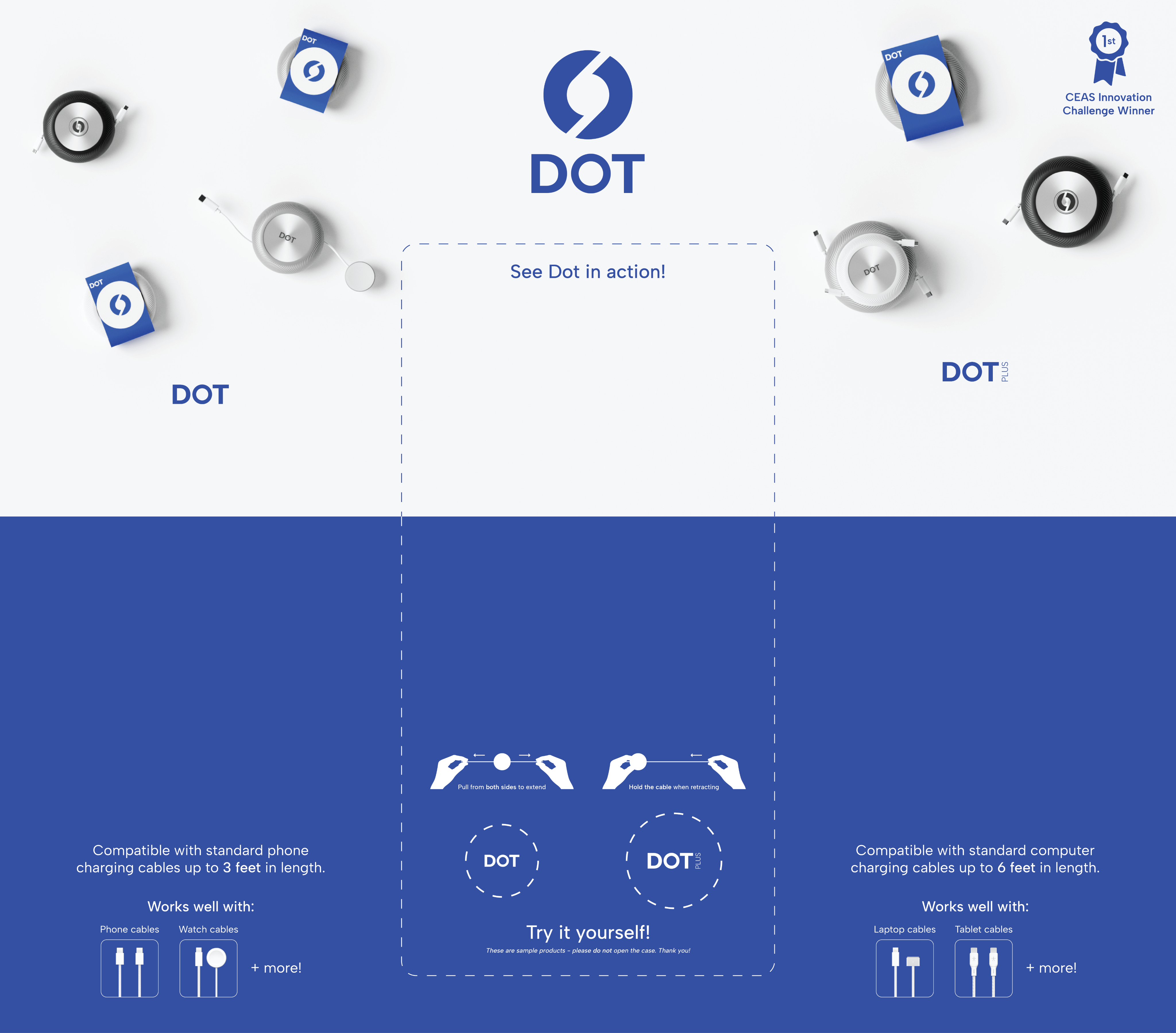
We decided to name this product DOT because of its simplicity and memorability, suggesting something small yet noticeable. We developed a complete brand identity, branching beyond the product itself and into packaging and marketing material.

PACKAGING + DISPLAY
Captivating
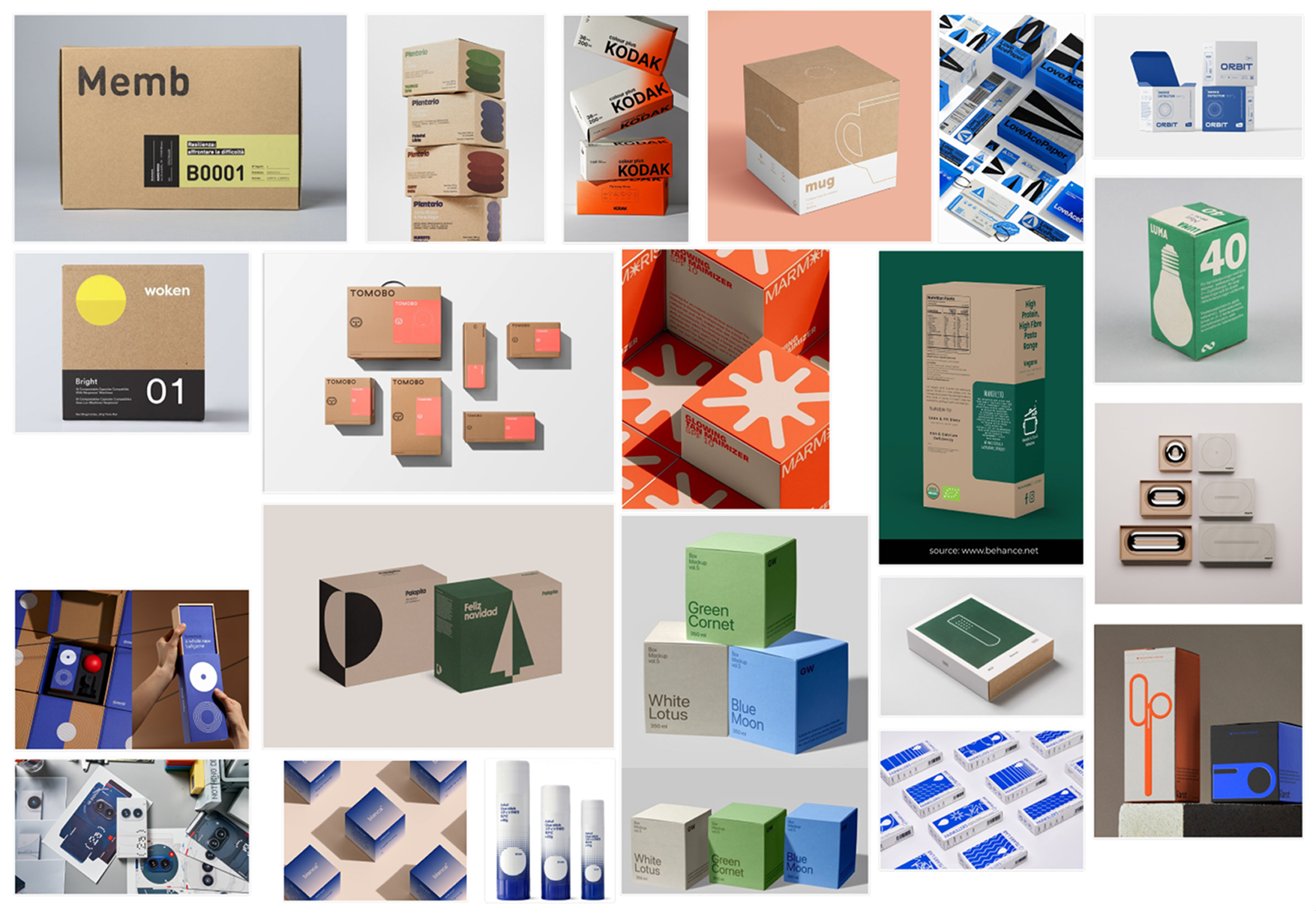
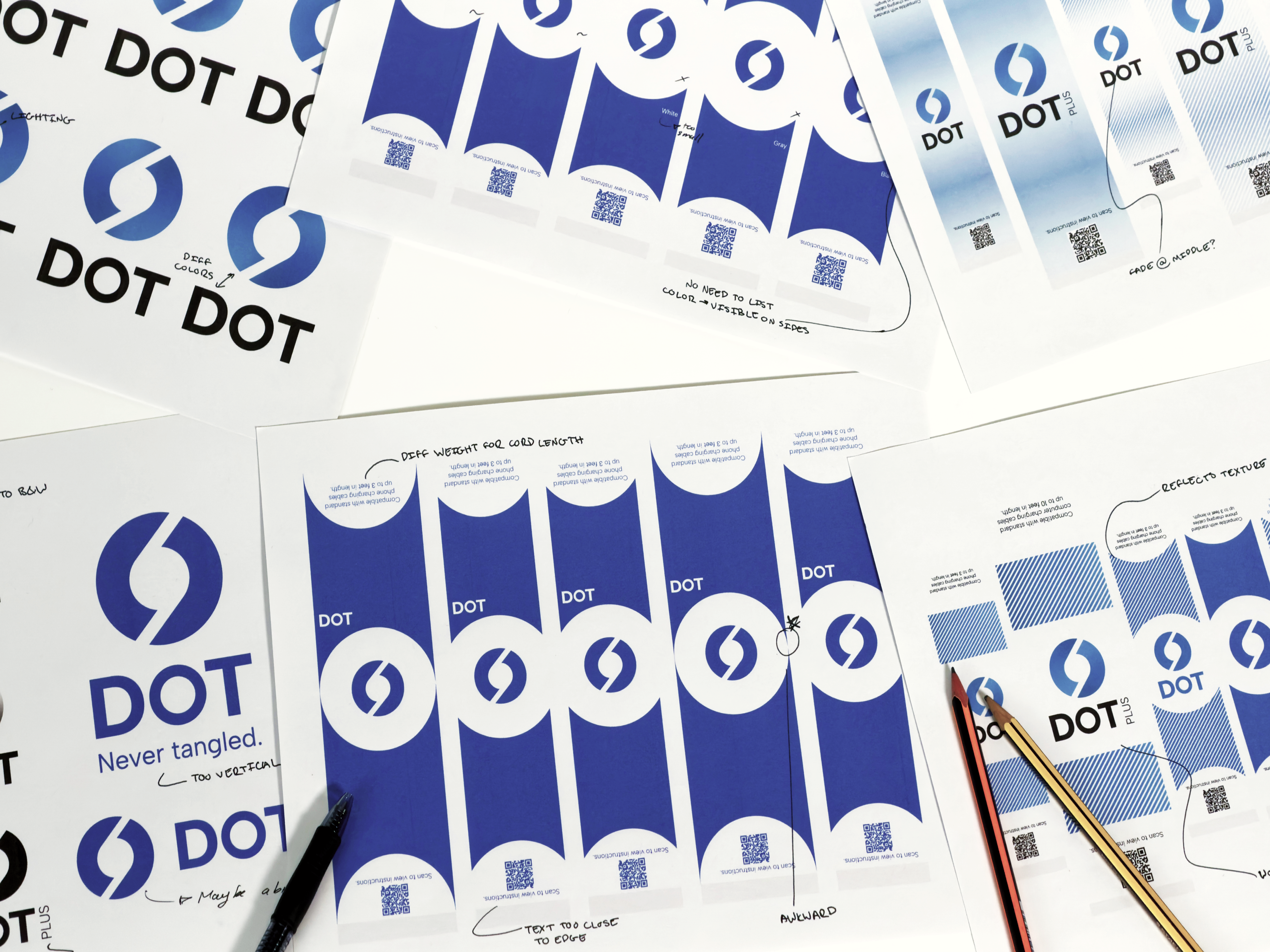
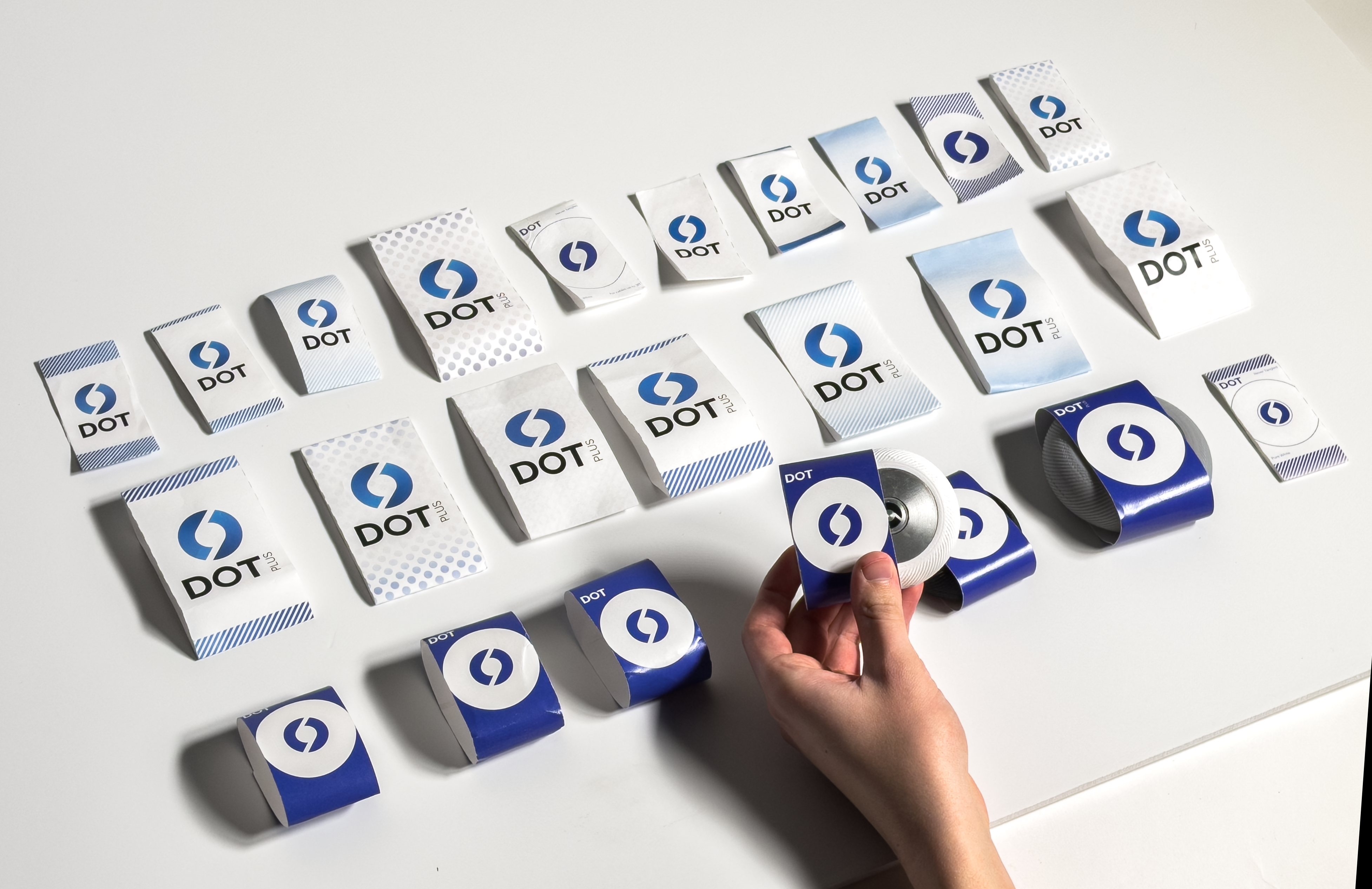
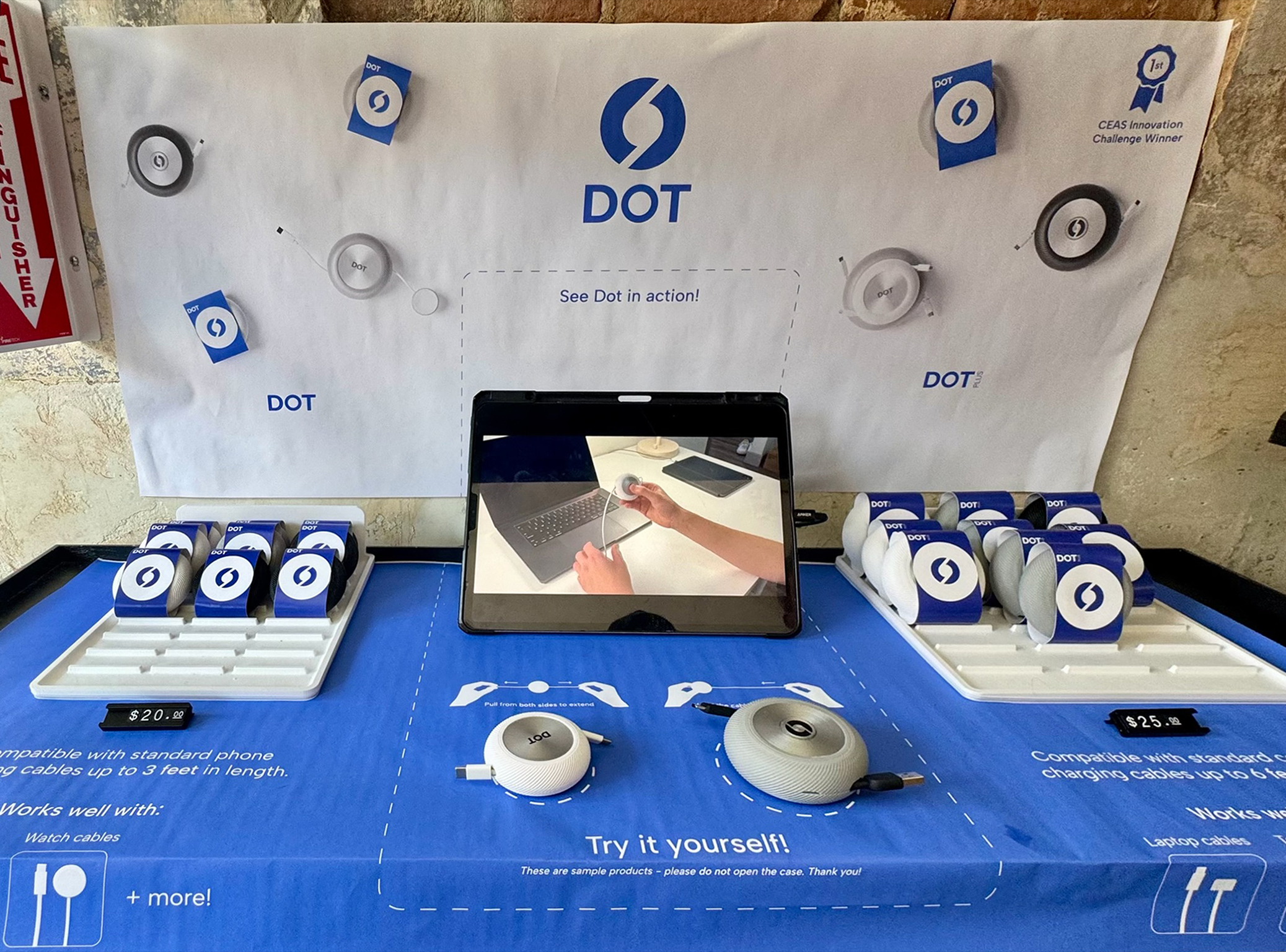
The packaging was inspired by product silhouettes and bold color blocks. We landed on a deep blue to convey both a sense of technological sophistication and premium quality. The use of belly band packaging allowed us to accent the form of the product while encouraging viewers to engage with the texture on the sides.
MANUFACTURING
3D Printing
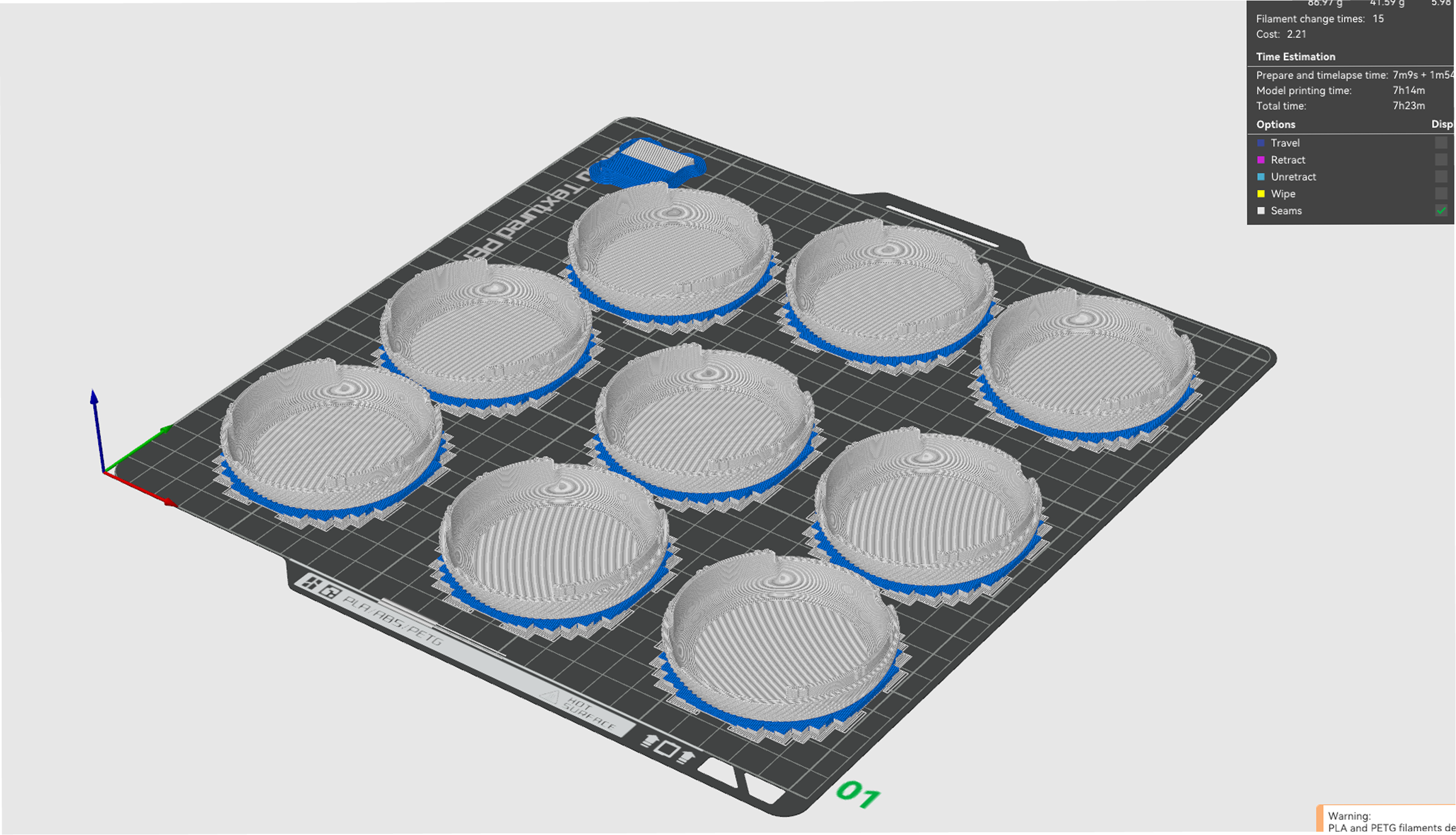
We ultimately chose 3D printing as our primary method of production thanks to its speed, reliability, and accessibility for this type of manufacturing. This enabled us to explore material properties, such as utilizing PLA as support for our prints since it doesn’t bond with PETG.
Metal Plate
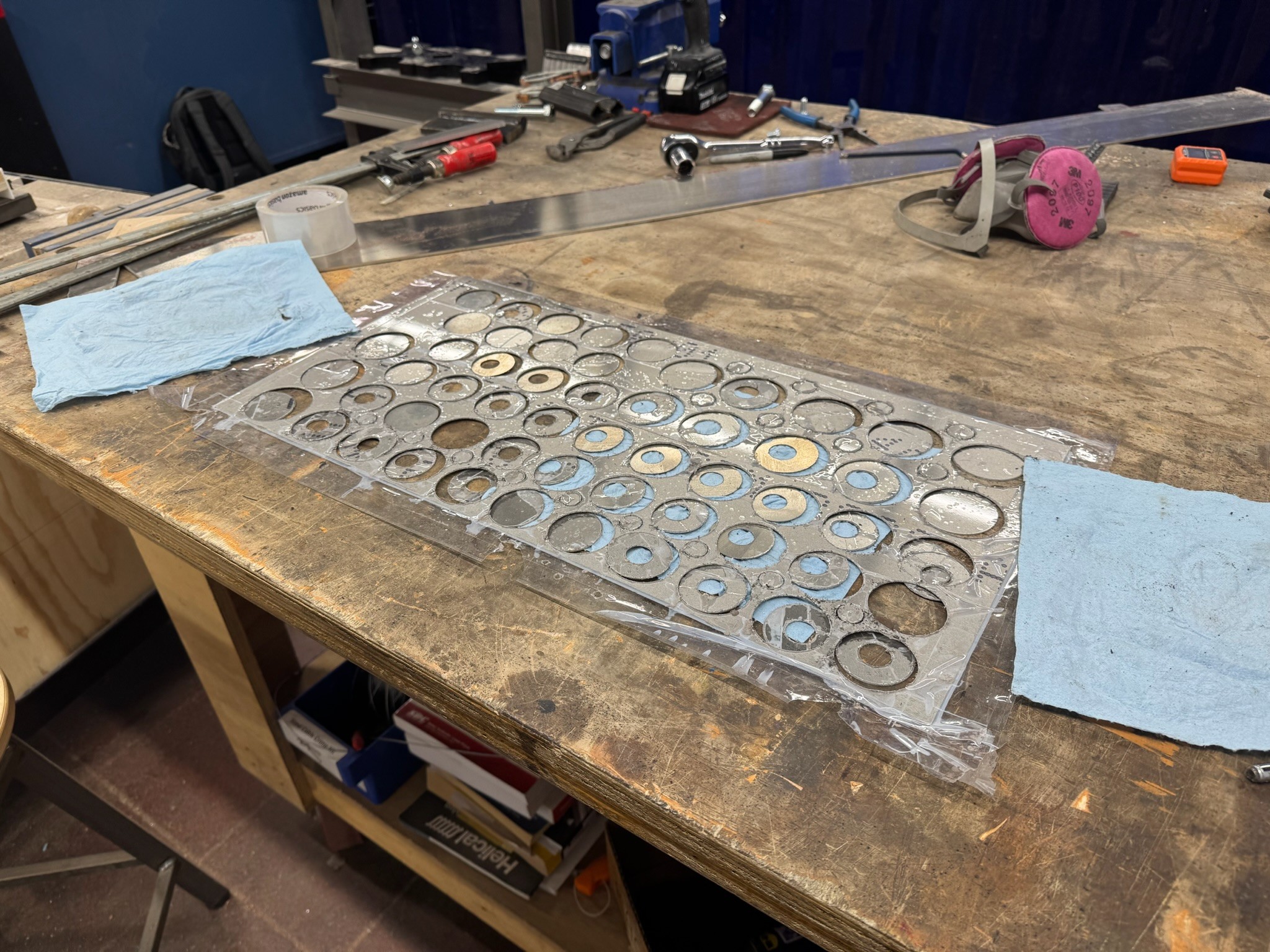
It became clear early on that the metal plates would be one of the most recognizable parts of the product. We achieved a radial-brushed finish by mounting the plates on a custom chuck attached to a hand drill and using sandpaper to yield the effect. Lastly, UV printing was used to apply both the branding and a protective coating.
FINAL PRODUCT
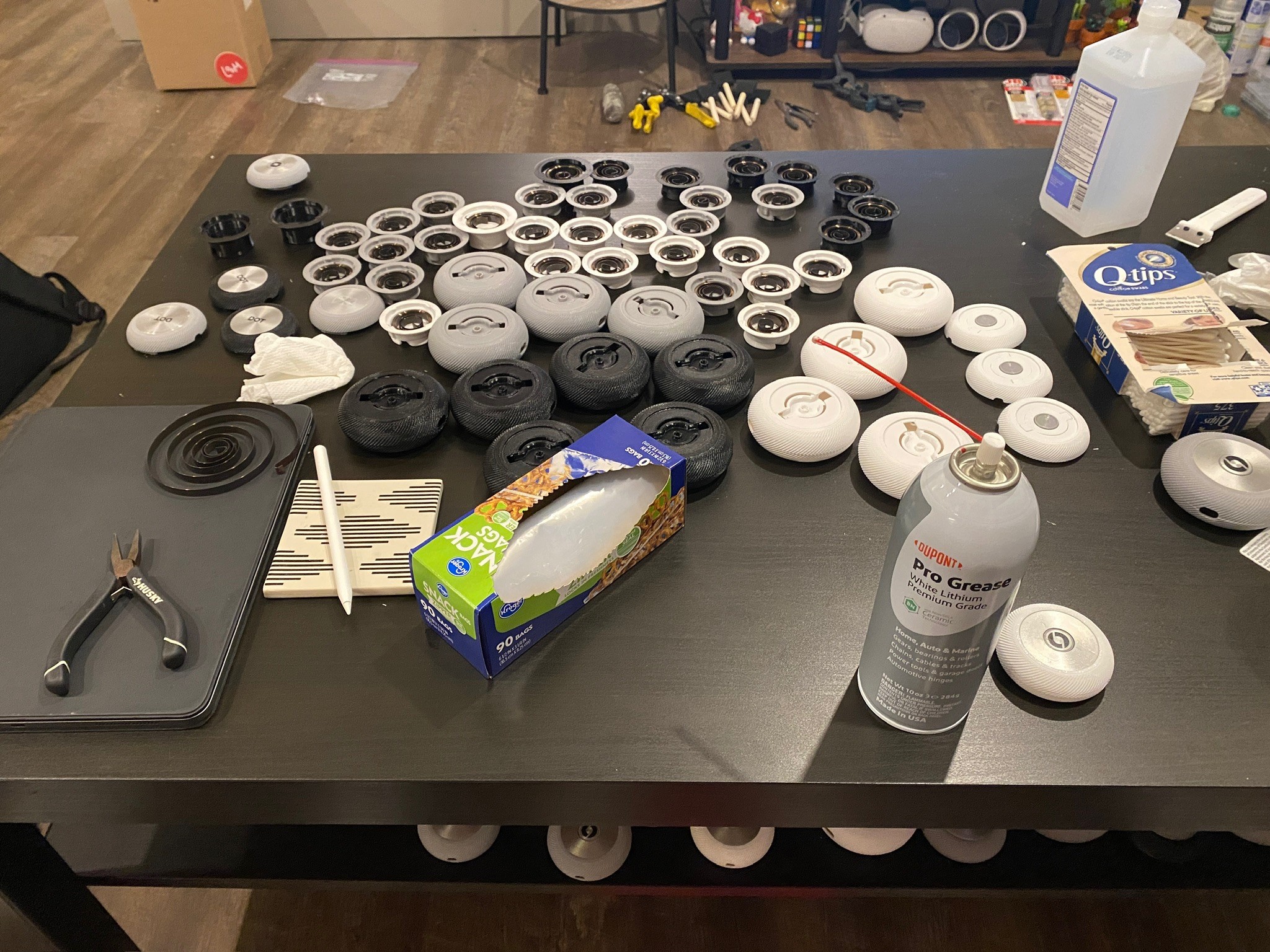
Assembly
After setting up a production line in one of our homes and two full days of hard work, we managed to assemble the final products in time for the pop-up shop.
SHOP + INNOVATION CHALLENGE
Product Release
With those 12 weeks of development behind us, DOT finally launched at DAAP’s ADAAPT studio for the weekend pop-up. The product performed much better than we anticipated, selling 23 units and generating $520 in revenue.
Winning Pitch
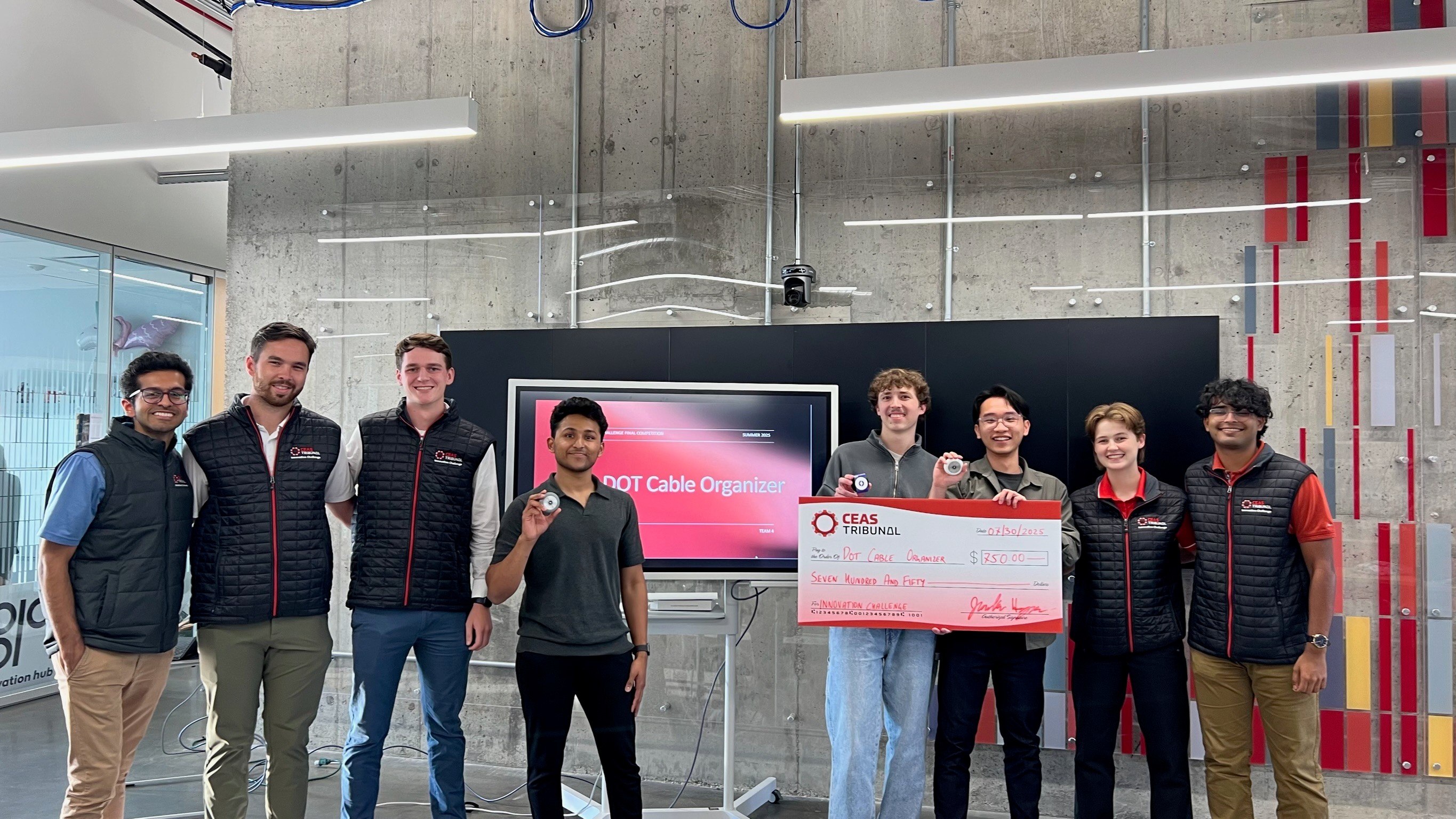
Following the pop-up, our team decided to enter DOT into the university’s Innovation Challenge, where the product went on to win first prize (and $750 for each of us!).


Despite a seemingly endless amount of products in the cable management space, reliable solutions for storing and using cables on-the-go are rare. DOT was designed to fulfill this need through prioritizing user experience.
This project was done in collaboration with Industrial Designer Tommy Mai and Mechanical Engineer Atishay Jain.
Duration
12 weeks
Disciplines
Design
Production
Entrepreneurship
CONTEXT
A Common Problem
We identified cable management as a universal problem that is often overlooked, and we felt this project was the perfect chance to design a thoughtful solution to this issue that is so common yet rarely questioned.
OPPORTUNITY
A Better Solution
Cables are an essential tool in modern life, yet organizing them has never been an easy task. DOT was designed to tackle this challenge in a way that works with the cables everyone already uses.
RAPID IDEATION
Build. Fail. Learn.
Constant exploration and prototyping was the backbone of this project. We focused on rapid testing of as wide a range of concepts as possible to best understand the problem space.
PROTOTYPING
Mechanism
The biggest test we faced came with the internal mechanism. Through countless iterations, we were able to achieve the desired function while managing issues such as tolerances and friction.
CMF
We experimented with numerous shapes, textures, and colors before landing on a soft form with angled grooves. PETG was our selected material, as it offered the durability and manufacturability we were looking for while maintaining a clean finish. We prioritized colors that worked best with a wide range of cables, leading us to three final colors: white, light gray, and black.
BRAND
DOT
We decided to name this product DOT because of its simplicity and memorability, suggesting something small yet noticeable. We developed a complete brand identity, branching beyond the product itself and into packaging and marketing material.
PACKAGING + DISPLAY
Captivating
The packaging was inspired by product silhouettes and bold color blocks. We landed on a deep blue to convey both a sense of technological sophistication and premium quality. The use of belly band packaging allowed us to accent the form of the product while encouraging viewers to engage with the texture on the sides.
MANUFACTURING
3D Printing
We ultimately chose 3D printing as our primary method of production thanks to its speed, reliability, and accessibility for this type of manufacturing. This enabled us to explore material properties, such as utilizing PLA as support for our prints since it doesn’t bond with PETG.
Metal Plate
It became clear early on that the metal plates would be one of the most recognizable parts of the product. We achieved a radial-brushed finish by mounting the plates on a custom chuck attached to a hand drill and using sandpaper to yield the effect. Lastly, UV printing was used to apply both the branding and a protective coating.
FINAL PRODUCT
Assembly
After setting up a production line in one of our homes and two full days of hard work, we managed to assemble the final products in time for the pop-up shop.
SHOP + INNOVATION CHALLENGE
Product Release
With those 12 weeks of development behind us, DOT finally launched at DAAP’s ADAAPT studio for the weekend pop-up. The product performed much better than we anticipated, selling 23 units and generating $520 in revenue.
Winning Pitch
Following the pop-up, our team decided to enter DOT into the university’s Innovation Challenge, where the product went on to win first prize (and $750 for each of us!).


Ewan Limrick
Designing original solutions grounded in user insight.


317.273.9373
ewanlimrick@outlook.com

Despite a seemingly endless amount of products in the cable management space, reliable solutions for storing and using cables on-the-go are rare. DOT was designed to fulfill this need through prioritizing user experience.
This project was done in collaboration with Industrial Designer Tommy Mai and Mechanical Engineer Atishay Jain.
Duration
12 weeks
Disciplines
Design
Production
Entrepreneurship
CONTEXT
A Common Problem
We identified cable management as a universal problem that is often overlooked, and we felt this project was the perfect chance to design a thoughtful solution to this issue that is so common yet rarely questioned.
OPPORTUNITY
A Better Solution
Cables are an essential tool in modern life, yet organizing them has never been an easy task. DOT was designed to tackle this challenge in a way that works with the cables everyone already uses.
RAPID IDEATION
Build. Fail. Learn.
Constant exploration and prototyping was the backbone of this project. We focused on rapid testing of as wide a range of concepts as possible to best understand the problem space.
PROTOTYPING
Mechanism
The biggest test we faced came with the internal mechanism. Through countless iterations, we were able to achieve the desired function while managing issues such as tolerances and friction.
CMF
We experimented with numerous shapes, textures, and colors before landing on a soft form with angled grooves. PETG was our selected material, as it offered the durability and manufacturability we were looking for while maintaining a clean finish. We prioritized colors that worked best with a wide range of cables, leading us to three final colors: white, light gray, and black.
BRAND
DOT
We decided to name this product DOT because of its simplicity and memorability, suggesting something small yet noticeable. We developed a complete brand identity, branching beyond the product itself and into packaging and marketing material.
PACKAGING + DISPLAY
Captivating
The packaging was inspired by product silhouettes and bold color blocks. We landed on a deep blue to convey both a sense of technological sophistication and premium quality. The use of belly band packaging allowed us to accent the form of the product while encouraging viewers to engage with the texture on the sides.
MANUFACTURING
3D Printing
We ultimately chose 3D printing as our primary method of production thanks to its speed, reliability, and accessibility for this type of manufacturing. This enabled us to explore material properties, such as utilizing PLA as support for our prints since it doesn’t bond with PETG.
Metal Plate
It became clear early on that the metal plates would be one of the most recognizable parts of the product. We achieved a radial-brushed finish by mounting the plates on a custom chuck attached to a hand drill and using sandpaper to yield the effect. Lastly, UV printing was used to apply both the branding and a protective coating.
FINAL PRODUCT
Assembly
After setting up a production line in one of our homes and two full days of hard work, we managed to assemble the final products in time for the pop-up shop.
SHOP + INNOVATION CHALLENGE
Product Release
With those 12 weeks of development behind us, DOT finally launched at DAAP’s ADAAPT studio for the weekend pop-up. The product performed much better than we anticipated, selling 23 units and generating $520 in revenue.
Winning Pitch
Following the pop-up, our team decided to enter DOT into the university’s Innovation Challenge, where the product went on to win first prize (and $750 for each of us!).
